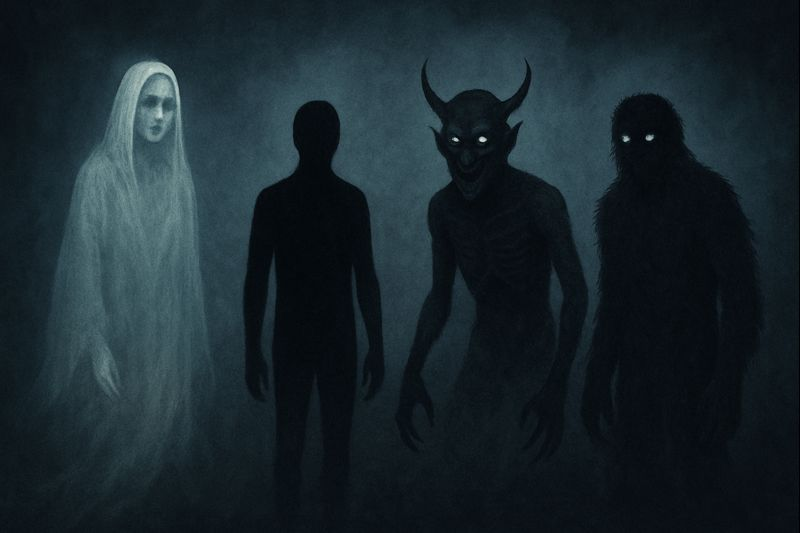
In the vast landscape of paranormal phenomena, the term ghost is often used as a catch-all descriptor for anything unexplained. However, within paranormal research, folklore, and investigative communities, a ghost is a specific category of entity—distinct from cryptids, demons, interdimensional beings, and other anomalies. Understanding these distinctions is essential for accurate classification, investigation, and interpretation of encounters.
This article explores what defines a ghost, how it differs from other paranormal entities, and why these distinctions matter.
Defining a Ghost
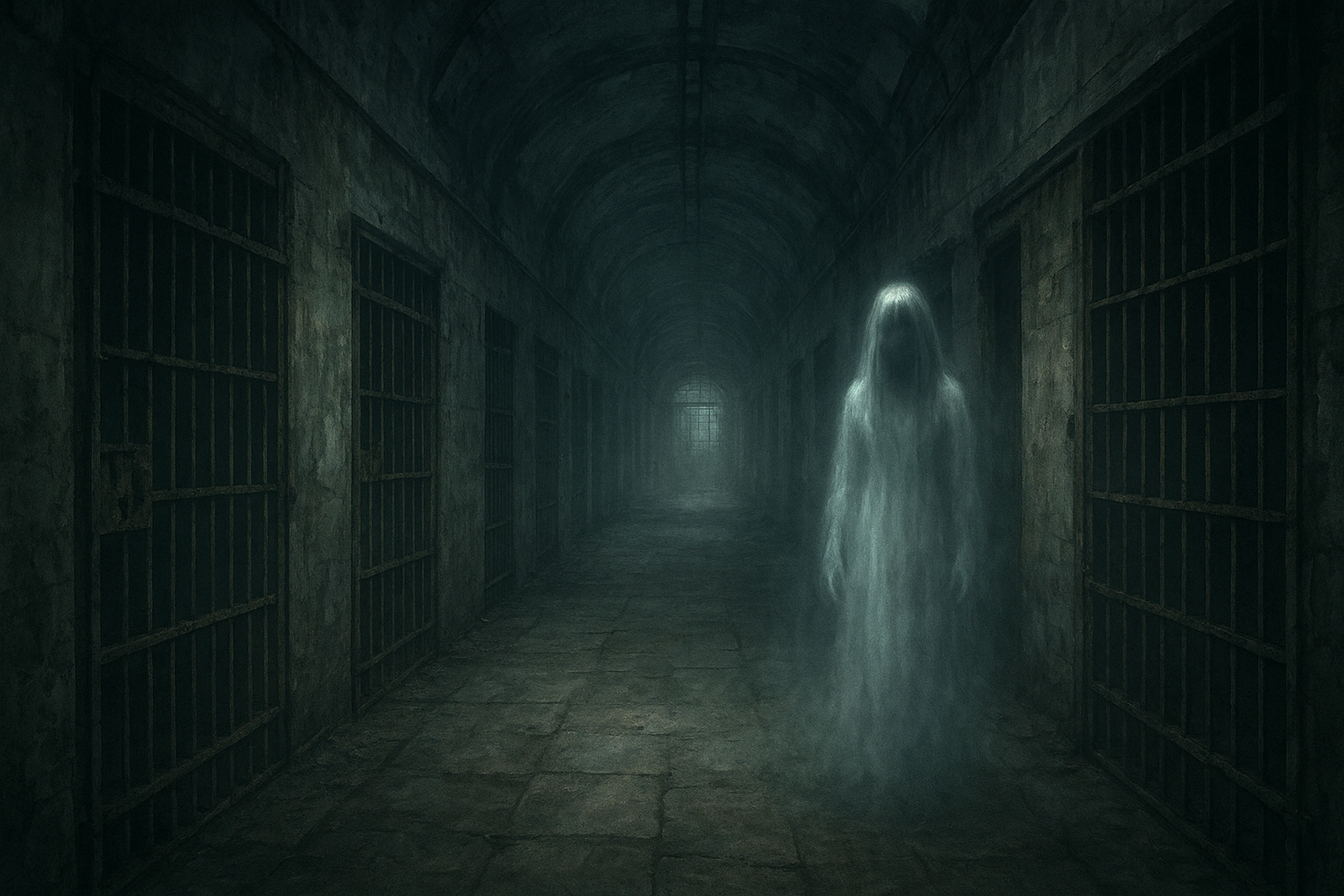
At its core, a ghost is generally understood to be the conscious or residual manifestation of a deceased human being. While interpretations vary across cultures and belief systems, most definitions share several key characteristics:
Core Attributes of a Ghost
- Human origin: Ghosts are believed to originate from once-living humans.
- Association with death: Their existence is tied to the moment or circumstances of physical death.
- Attachment: Often bound to a specific location, object, or individual.
- Limited agency: Many ghosts repeat behaviors or appear under specific conditions.
In paranormal research, ghosts are commonly categorized into subtypes such as residual hauntings, intelligent hauntings, and poltergeist activity—each reflecting different levels of awareness and interaction.
Common Types of Ghosts
Residual Hauntings
Residual hauntings are often described as psychic recordings—repetitive, non-interactive phenomena such as footsteps, apparitions walking a set path, or recurring sounds. These manifestations show no awareness of observers and do not respond to stimuli.
Intelligent (Interactive) Hauntings
Intelligent hauntings display awareness and responsiveness. These ghosts may communicate through EVP, manipulate objects, or acknowledge investigators. They are typically associated with a specific personality or identity.
Crisis Apparitions
A crisis apparition appears shortly before, during, or after a person’s death—often to loved ones. These manifestations are brief and usually tied to intense emotional or traumatic events.
How Ghosts Differ From Other Paranormal Entities
While ghosts are human in origin, many reported entities do not fit this definition. Below are key distinctions.
Demons and Malevolent Entities
Demons are traditionally described as non-human, often ancient intelligences with origins rooted in religious or mythological frameworks. Unlike ghosts:
- They are not deceased humans.
- They exhibit strategic behavior, manipulation, or long-term influence.
- They often seek control rather than communication.
In investigations, demonic entities are associated with oppression, infestation, or possession rather than simple haunting.
Cryptids
Cryptids—such as Bigfoot, the Mothman, or the Goat Man—are biological or quasi-biological creatures, not spirits of the dead. Key differences include:
- Physical presence (tracks, hair, environmental disturbance).
- Interaction with the physical environment.
- No known connection to human death.
Cryptids are studied more closely within zoological or folkloric frameworks than spiritual ones.
Shadow Figures and Non-Human Apparitions
Shadow people and similar entities occupy a gray area. They may:
- Appear humanoid but lack defining human features.
- Move independently and intelligently.
- Exhibit behaviors inconsistent with known human ghosts.
Many researchers theorize these entities may be interdimensional, energy-based, or something entirely unknown—distinct from human spirits.
Elementals and Nature Spirits
Found in folklore worldwide, elementals are believed to be spirits tied to natural elements or locations (forests, rivers, mountains). Unlike ghosts:
- They were never human.
- They predate human presence in many legends.
- They are bound to nature rather than death.
Interdimensional or Extraterrestrial Entities
Some modern theories propose that certain paranormal encounters—particularly involving humanoid figures, missing time, or altered perception—may involve interdimensional beings or non-human intelligences. These encounters differ from ghost sightings by:
- Lack of historical or emotional ties to a location.
- Advanced or inexplicable behavior.
- Overlap with UFO/UAP phenomena.
Why These Distinctions Matter
Mislabeling all paranormal activity as “ghosts” oversimplifies complex phenomena and hinders meaningful investigation. Proper classification:
- Guides investigative methods.
- Helps rule out psychological or environmental causes.
- Provides cultural and historical context.
- Reduces sensationalism and misinformation.
For researchers and enthusiasts alike, understanding what defines a ghost—and what does not—adds clarity to an already mysterious field.
Conclusion
A ghost is best defined as the manifestation of a deceased human consciousness or residual presence. While they remain one of the most reported paranormal phenomena, they are only one category within a much broader spectrum of unexplained entities.
By distinguishing ghosts from demons, cryptids, shadow figures, and other anomalies, we gain a more nuanced understanding of the paranormal—and a deeper appreciation for how much remains unknown.