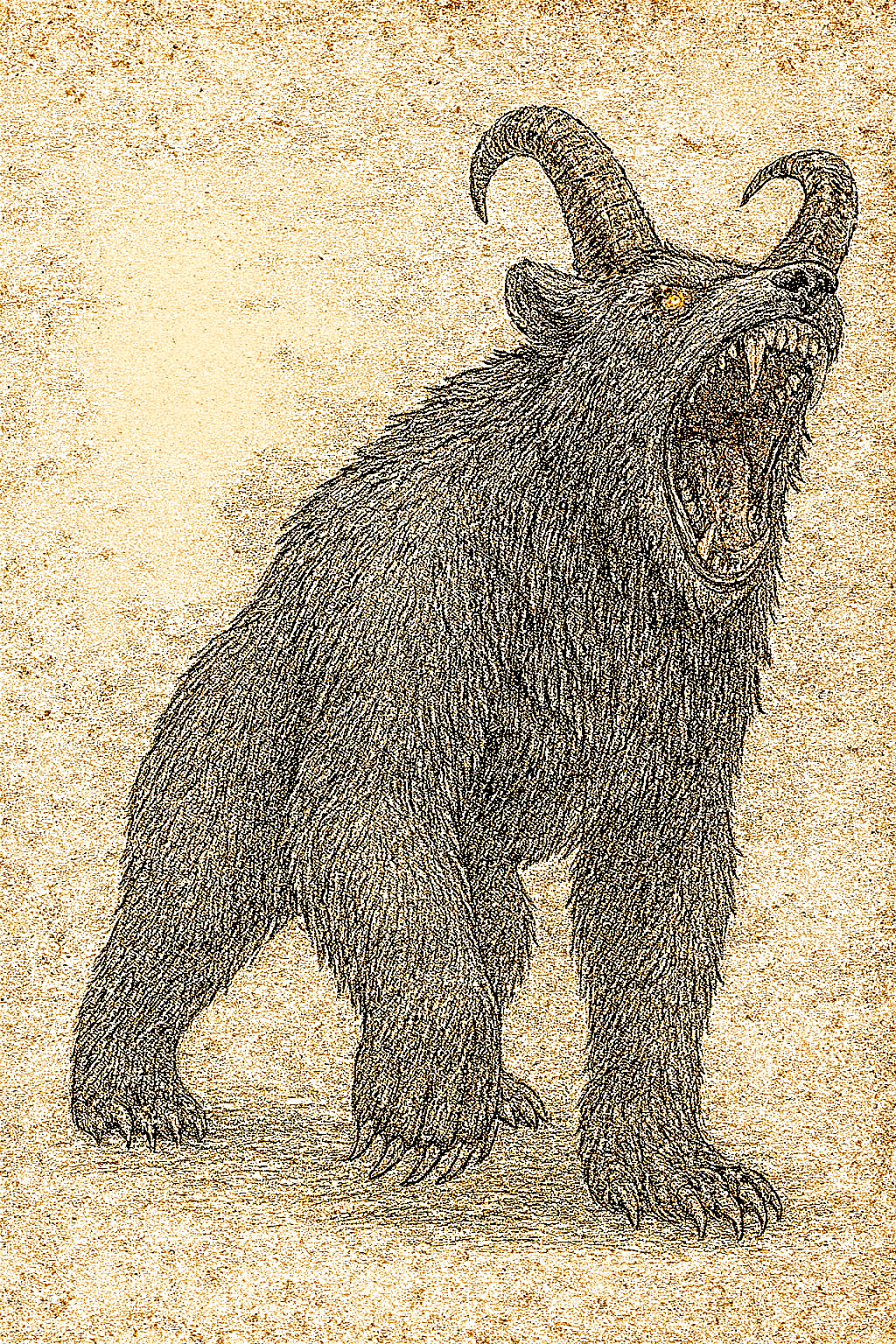
Deep within the rugged hills and dense forests of the Ozark Mountains, locals have long whispered about a creature whose presence is announced not by sight—but by sound. Known as the Ozark Howler, this elusive cryptid is said to roam the backwoods of Arkansas, Missouri, Oklahoma, and parts of Texas, unleashing terrifying screams that echo through valleys and hollows after dark.
Part predator, part phantom, the Ozark Howler occupies a unique place in American cryptid lore, blending frontier folklore with modern eyewitness encounters.
Origins of the Legend
Reports of the Ozark Howler date back to the early 1800s, when settlers began pushing into the Ozark region. Farmers, hunters, and trappers described an animal unlike any they had encountered—one that could be heard for miles but was rarely seen.
The creature was often blamed for:
- Disappearing livestock
- Pets found mauled or missing
- Nighttime panic among horses and cattle
Local newspapers in the late 19th and early 20th centuries occasionally referenced a “devil cat” or “mountain screamer,” cementing the legend into regional folklore.
Descriptions of the Ozark Howler
Unlike some cryptids with relatively consistent appearances, the Ozark Howler’s physical description varies widely, though several traits appear repeatedly across reports.
Witnesses commonly describe:
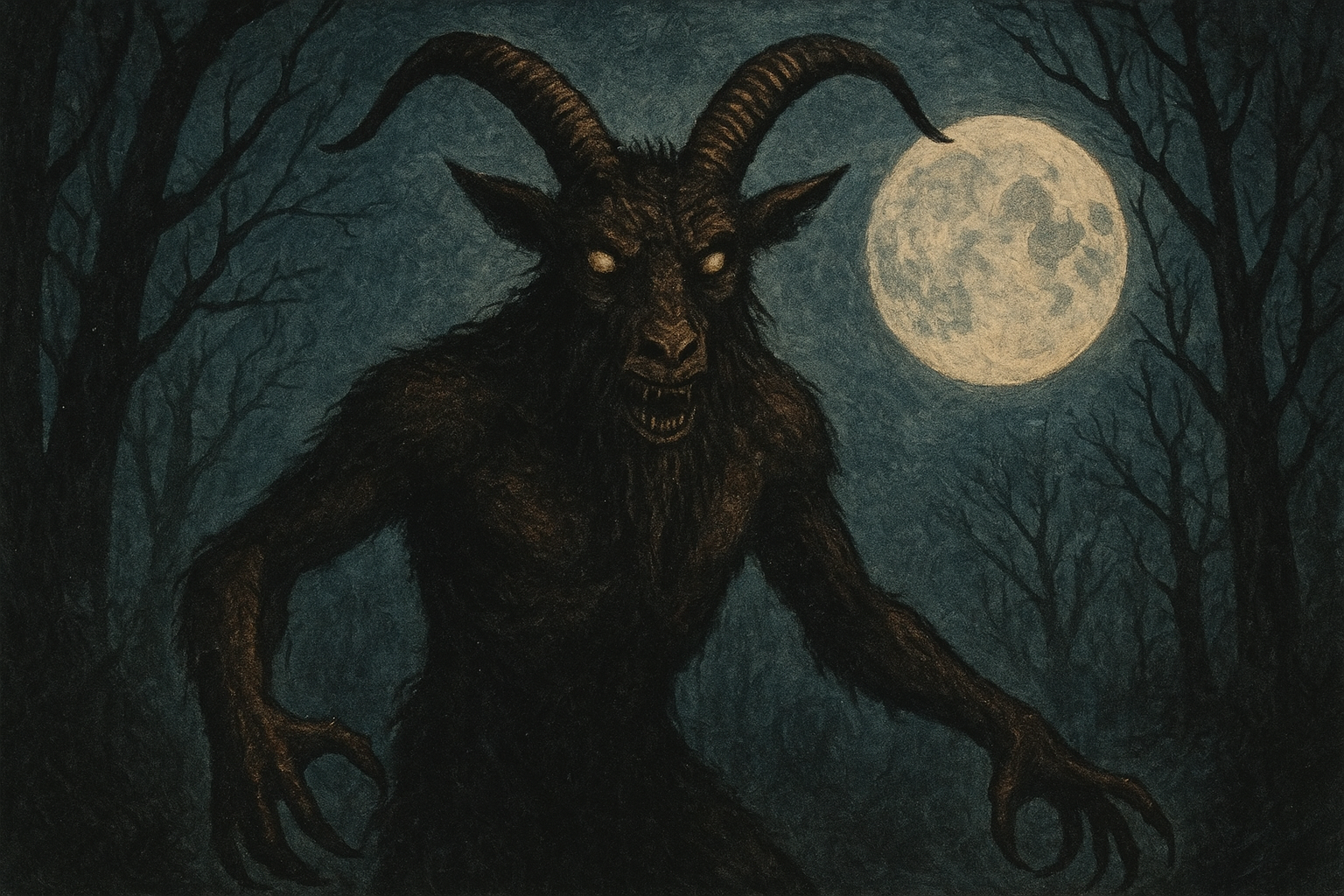
- A body similar to a large bear or oversized dog
- A thick, shaggy coat, often dark or black
- Glowing red or amber eyes
- A head resembling a wolf, hyena, or wildcat
- Curved horns or pointed ears (in some accounts)
Despite these differences, nearly all witnesses agree on one defining characteristic: its voice.
The Sound That Freezes Blood
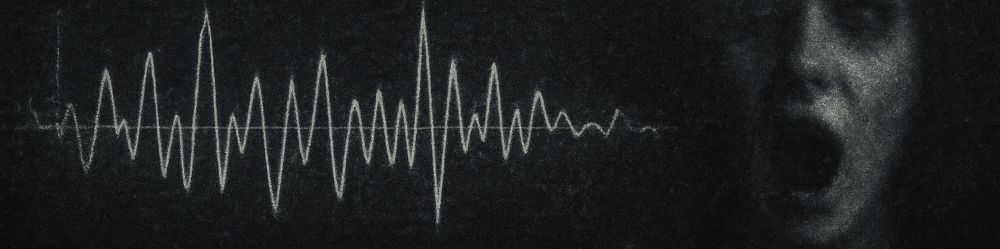
The Ozark Howler is infamous for its howl—a sound described as a cross between:
- A wolf’s cry
- A hyena’s laugh
- A woman screaming in terror
Some compare it to metal scraping across stone, while others say it resembles multiple animals vocalizing at once. The howl is often reported just before storms or during humid summer nights, carrying unnaturally far through the mountains.
Hunters have reported abandoning camps after hearing it, claiming the sound triggered an instinctive fear unlike anything they had experienced before.
Modern Sightings and Encounters
Although often dismissed as folklore, reports of the Ozark Howler did not fade with modernization. Sightings continue into the 21st century, particularly in remote areas where forests remain thick and sparsely populated.
Common encounter details include:
- Late-night road crossings
- Eyeshine reflecting headlights
- A massive shape moving silently through trees
- An overwhelming sense of dread preceding the howl
Some witnesses claim the creature stands taller than a man when upright, while others insist it moves on all fours with unnatural speed.
Possible Explanations
As with most cryptids, explanations for the Ozark Howler range from scientific to supernatural.
Known Animals
Skeptics suggest the Howler could be:
- Misidentified black bears
- Cougars or mountain lions
- Escaped exotic animals
- Packs of coyotes producing overlapping vocalizations
While these explanations account for some sightings, none fully explain the creature’s described size, horns, or unique vocalizations.
A Relic Predator
Cryptozoologists have proposed the Howler may be a surviving remnant of an extinct species, such as a prehistoric bear or large carnivore that adapted to isolation in the Ozarks.
Supernatural Entity
In Appalachian and Ozark folklore, the Howler is sometimes linked to:
- Demon dogs
- Forest spirits
- Shape-shifting entities
These interpretations often emphasize the creature’s psychological impact, suggesting it may feed on fear rather than flesh.
Why the Ozark Howler Endures
The Ozark Mountains remain one of the most isolated regions in the central United States. Vast tracts of forest, caves, and rugged terrain provide the perfect environment for legends to survive—and possibly for unknown creatures to remain hidden.
The Ozark Howler persists because it occupies the boundary between:
- Familiar wildlife and the unknown
- Natural sounds and something deeply wrong
- Folklore and living fear
It is not just seen or heard—it is felt.
Conclusion: The Voice in the Dark
Whether the Ozark Howler is a misidentified animal, a relic predator, or something far stranger, its legend continues to haunt the mountains. For generations, people have heard the same scream echo through the trees and asked the same question:
What is making that sound?
Until an answer is found, the Ozark Howler remains one of America’s most chilling cryptids—a reminder that even in a mapped and modern world, some wilderness still belongs to the dark.