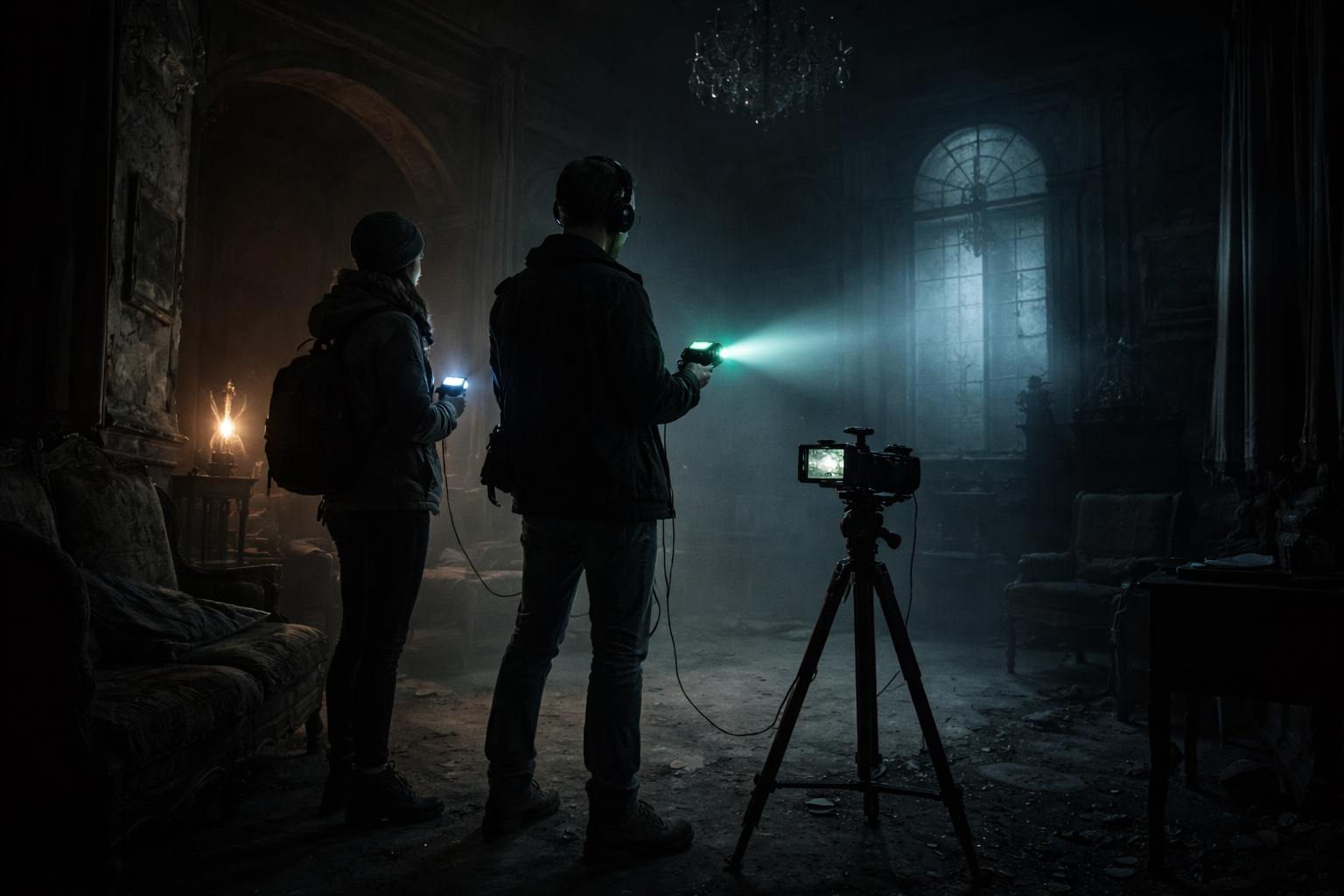
Paranormal investigation has grown far beyond late-night curiosity and grainy home videos. With the rise of television shows, social media investigators, and public fascination with the unexplained, the field now occupies a space where entertainment, belief, science, and personal vulnerability often intersect. This makes ethical standards not just important—but essential.
Ethical paranormal investigation is about more than proving or disproving the existence of ghosts. It is about responsibility: to clients, locations, historical truth, mental health, and the credibility of the field itself. Without clear standards, investigations risk causing harm, spreading misinformation, and undermining public trust.
Why Ethics Matter in Paranormal Investigation
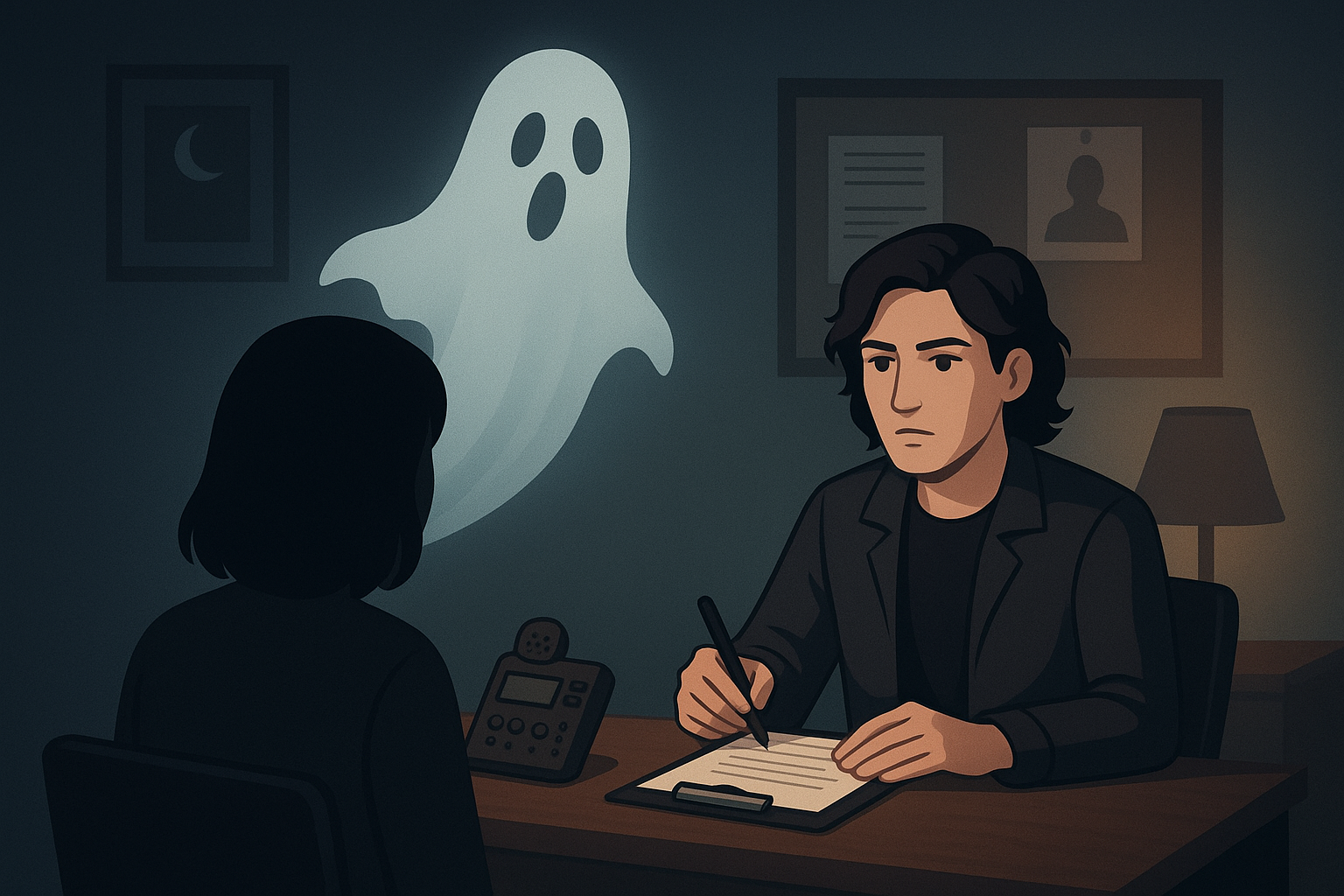
Many people seeking paranormal investigators are experiencing fear, grief, stress, or trauma. Some believe they are dealing with something beyond their understanding. Others are caretakers of historically significant locations. Investigators are often invited into deeply personal or sensitive spaces.
Unethical behavior—whether intentional or careless—can lead to:
- Emotional distress or reinforced fear
- Damage to reputations or properties
- Exploitation of belief systems
- Misrepresentation of historical facts
- False claims presented as evidence
Ethics act as a safeguard, ensuring investigations are conducted with respect, honesty, and accountability.
Informed Consent and Transparency
One of the most fundamental ethical principles is informed consent. Every client or property owner must fully understand:
- What an investigation involves
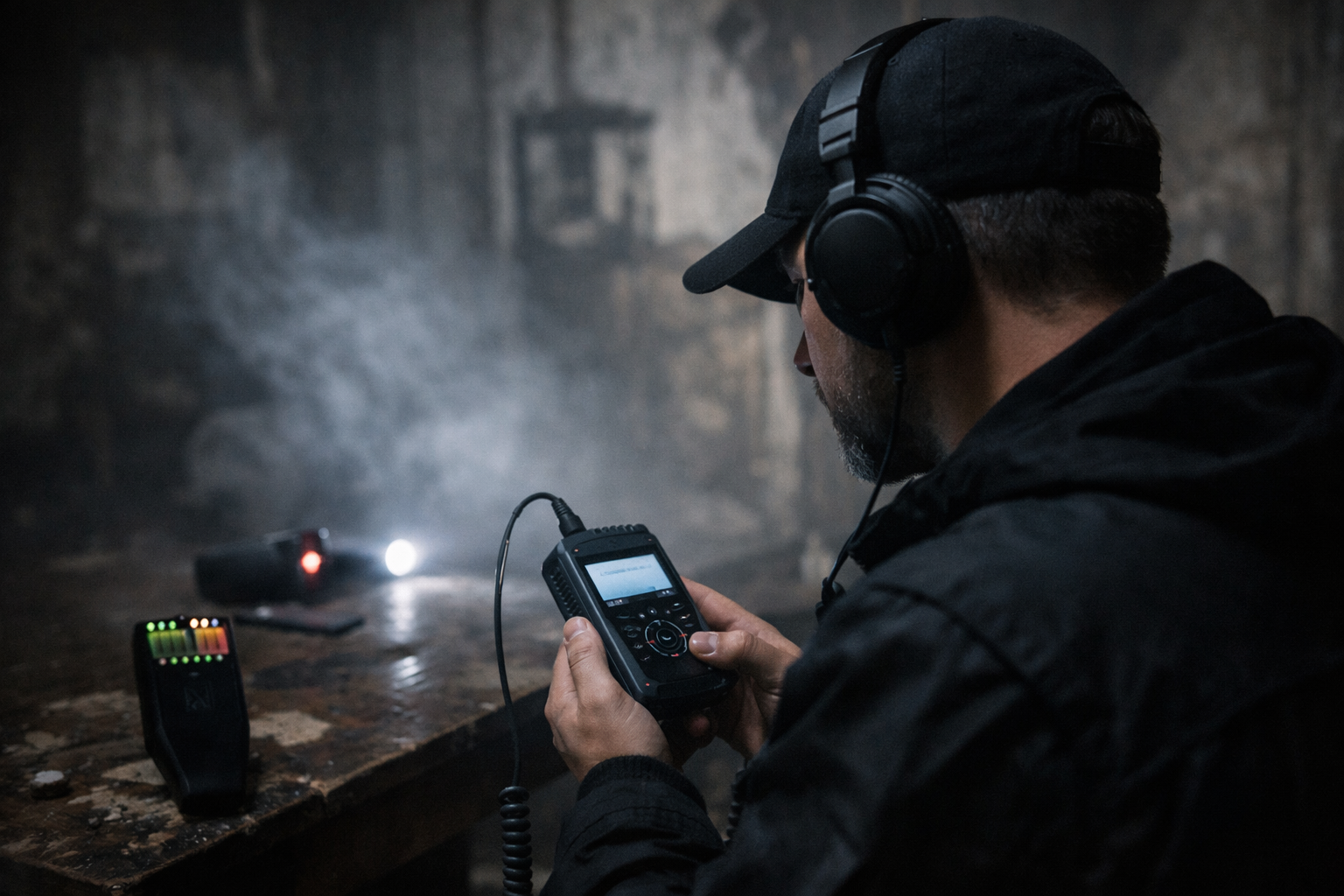
- What equipment will be used
- Whether audio, video, or photographs will be recorded
- How data will be stored, used, or published
Consent should be written whenever possible and clearly outline limitations. Investigators must never mislead clients by guaranteeing activity, contact, or outcomes. Paranormal investigation is exploratory, not diagnostic or definitive.
Transparency also applies to findings. If no evidence is captured, that result should be communicated honestly rather than exaggerated to satisfy expectations.
Respect for Clients and Witnesses
Ethical investigators must approach every case without judgment or ridicule. Whether a client believes they are experiencing paranormal activity or simply feels uneasy in their environment, their concerns deserve respectful treatment.
Investigators should:
- Avoid validating fear-based interpretations without evidence
- Never suggest possession, attachment, or danger without clear justification
- Refrain from diagnosing mental or emotional conditions
- Encourage professional help if experiences appear psychological or environmental in nature
The goal is to investigate—not to frighten, manipulate, or sensationalize.
Mental Health Awareness and Responsibility
One of the most critical ethical boundaries involves mental health. Paranormal investigators are not therapists, clergy, or medical professionals unless they are independently qualified in those roles.
If a case shows signs of:
- Anxiety disorders
- Sleep disturbances
- Grief-related experiences
- Hallucinations or paranoia
Investigators should pause or end the investigation and gently recommend appropriate professional resources. Continuing an investigation under such conditions can reinforce harmful beliefs and worsen symptoms.
Ethics demand knowing when not to investigate.
Historical Accuracy and Cultural Sensitivity
Many investigations take place in locations tied to tragedy, death, or cultural heritage. Ethical standards require investigators to:
- Research history thoroughly
- Avoid inventing legends or exaggerating past events
- Respect religious, spiritual, and cultural beliefs associated with the site
Gravesites, former hospitals, asylums, battlefields, and indigenous lands demand heightened sensitivity. Treating these spaces as “haunted attractions” rather than places of real human suffering crosses ethical lines.
Evidence Integrity and Honest Methodology
Ethical paranormal investigation prioritizes documentation over drama. This includes:
- Clearly labeling equipment limitations
- Acknowledging environmental factors
- Ruling out natural explanations first
- Avoiding selective editing of audio or video
EVPs, shadow figures, EMF spikes, and personal experiences should never be presented as definitive proof. Investigators must differentiate between:
- Raw data
- Interpretation
- Personal belief
Fabrication, manipulation, or intentional misrepresentation of evidence damages not only individual credibility but the field as a whole.
Avoiding Provocation and Harmful Practices
Provocation—taunting, threatening, or daring alleged entities—may make for compelling entertainment, but it is ethically questionable. Such behavior can:
- Distress clients
- Escalate fear
- Encourage reckless imitation by viewers
- Create hostile environments based on belief rather than evidence
Ethical investigators prioritize calm observation over confrontation. Respectful inquiry should always replace aggression or theatrics.
Responsible Media Use and Public Sharing
In the age of YouTube, podcasts, and viral clips, ethical responsibility extends to how investigations are shared publicly.
Investigators should:
- Blur faces and remove identifying details unless permission is given
- Avoid naming private residences without consent
- Clearly state when content is speculative
- Avoid clickbait titles that exaggerate danger or certainty
Paranormal content can be engaging without being deceptive. Integrity builds long-term trust.
Establishing Professional Accountability
The paranormal field lacks a universal governing body, making self-regulation essential. Ethical teams often:
- Create internal codes of conduct
- Require training and mentorship
- Maintain investigation logs and case reviews
- Encourage peer critique and transparency
Accountability is what separates serious investigators from thrill-seekers.
Moving the Field Forward
Ethical standards do not limit paranormal investigation—they strengthen it. By prioritizing respect, honesty, and responsibility, investigators help legitimize the field and protect those who seek answers.
The unexplained will always invite curiosity. How we pursue it determines whether that curiosity enlightens—or harms.
In the end, ethical paranormal investigation isn’t about proving ghosts exist. It’s about ensuring that in the search for answers, we never lose our humanity.