Few horror films have left a cultural imprint as deep or as unsettling as Poltergeist (1982). Released during an era when American horror was shifting from gothic castles and remote wilderness into everyday domestic spaces, Poltergeist delivered a chilling message: the safest place you know—your home—may not be safe at all.
Directed by Tobe Hooper and produced and co-written by Steven Spielberg, Poltergeist blends supernatural terror with family drama, creating a film that is both emotionally grounded and profoundly disturbing. More than four decades later, it remains a cornerstone of paranormal cinema and a frequent reference point in discussions of hauntings, spirit activity, and alleged real-world curses.
Plot Overview: “They’re Here”
The film centers on the Freeling family, a typical middle-class household living in the planned suburban community of Cuesta Verde, California. At first, the disturbances are playful: chairs move on their own, objects slide across the kitchen floor, and the youngest daughter, Carol Anne, begins speaking to unseen “friends” through the static of a television set.
What begins as curiosity escalates into terror when Carol Anne is abducted by hostile supernatural forces residing within the house. The family soon learns that their home sits atop a former cemetery—relocated improperly by a real estate developer who moved the headstones but left the bodies behind.
With the help of paranormal researchers and a spiritual medium, the Freelings confront an otherworldly infestation that blends classic ghost lore, poltergeist activity, and metaphysical horror.
Defining Poltergeist Activity in Cinema
The term “poltergeist” originates from German folklore, meaning “noisy spirit.” Traditionally, poltergeist activity is associated with physical disturbances rather than visible apparitions—knocking sounds, flying objects, electrical malfunctions, and unexplained movement.
Poltergeist popularized this concept for modern audiences by presenting a structured escalation of activity:
- Stage One: Innocuous disturbances (moving furniture, unexplained noises)
- Stage Two: Intelligent interaction (voices, communication through electronics)
- Stage Three: Violent manifestation (levitation, possession, spatial distortion)
This progression mirrors how many real-world investigators categorize reported hauntings, lending the film an unsettling sense of plausibility despite its supernatural spectacle.
The Suburban Nightmare: Horror at Home
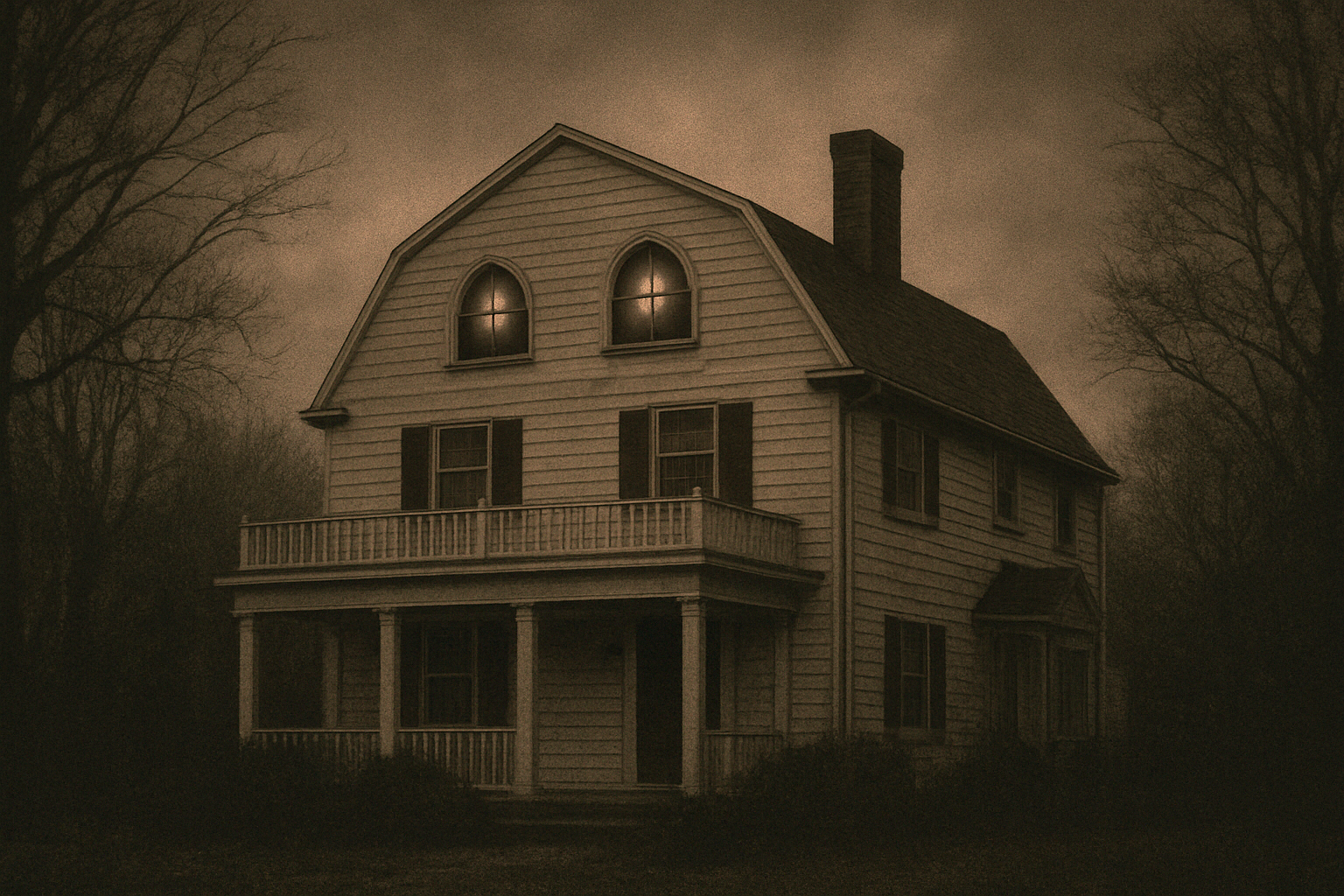
One of the film’s most enduring strengths is its setting. Rather than isolating horror in abandoned mansions or ancient ruins, Poltergeist situates its terror squarely in a modern, comfortable suburb. The Freeling home is bright, warm, and familiar—making its corruption deeply unsettling.
This choice reflects broader anxieties of the early 1980s, including distrust of rapid suburban expansion, corporate greed, and the idea that progress may come at a spiritual cost. The revelation that developers built homes over graves without proper respect taps directly into fears of moral shortcuts and buried consequences.
Iconic Scenes That Defined a Genre
Several moments in Poltergeist have become legendary in horror cinema:
- The Moving Chairs: A quiet, daylight scene that demonstrates supernatural power without darkness or gore.
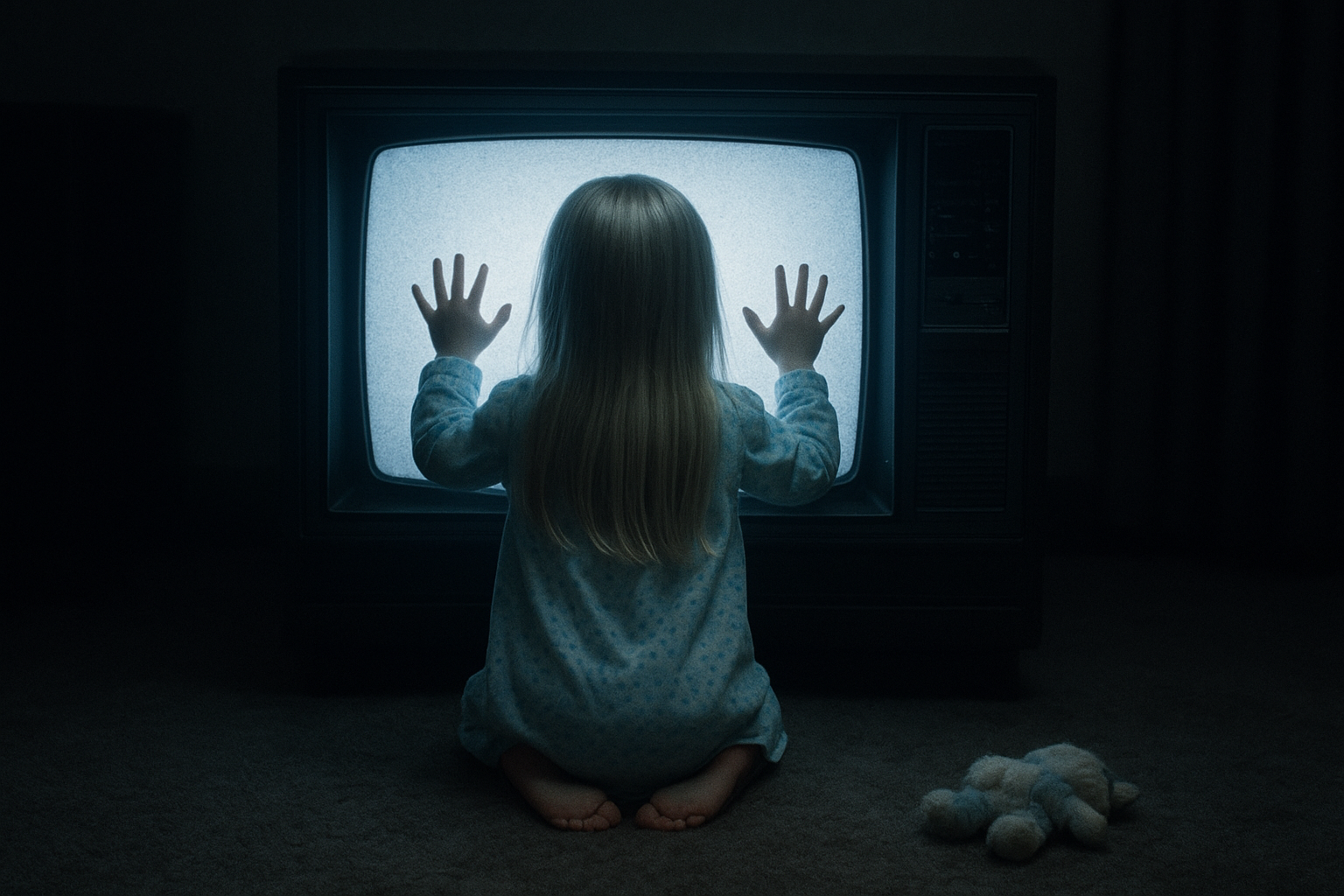
- The Television Static: Carol Anne’s whispered declaration—“They’re here”—remains one of the most recognizable lines in horror history.
- The Closet Portal: A vortex of light and shadow that reframes a child’s bedroom as a doorway to another dimension.
- The Pool of Skeletons: A visceral reminder of the cemetery beneath the surface, blending shock with narrative revelation.
These scenes work not merely because of special effects, but because they are anchored in emotional stakes—family, loss, and desperation.
The Poltergeist Curse: Fact, Fear, and Folklore
No discussion of Poltergeist is complete without addressing the alleged curse associated with the film and its sequels. Several cast members died young or under tragic circumstances, most notably:
- Heather O’Rourke (Carol Anne), who died at age 12 from complications related to intestinal illness.
- Dominique Dunne, murdered shortly after the film’s release.
- Julian Beck and Will Sampson, both of whom died following their involvement in later installments.
While there is no evidence of a supernatural cause, the clustering of tragedies has fueled decades of speculation. Some rumors claim real human skeletons were used in the pool scene—a claim that, while true, was based on industry practices rather than occult intent. Nevertheless, these stories have cemented the film’s reputation as “haunted” in both myth and memory.
Spiritual Mediums, Investigators, and Paranormal Theory
The film’s portrayal of paranormal investigation blends Hollywood dramatization with concepts familiar to real-world ghost hunters:
- Sensitive Children: Carol Anne fits the archetype of a spiritually receptive child, a recurring theme in haunting reports.
- Psychic Mediums: Tangina Barrons represents the benevolent guide who understands the rules of the other side.
- Dimensional Theory: The “other side” is depicted as a spiritual realm overlapping our own, accessed through emotional or energetic vulnerabilities.
These ideas have since become staples in paranormal media, from reality TV investigations to modern horror films.
Legacy and Influence
Poltergeist influenced countless films and television series, shaping how hauntings are portrayed in popular culture. Its DNA can be seen in later works such as The Sixth Sense, Insidious, and The Conjuring, all of which emphasize family-centered supernatural trauma.
The film was remade in 2015, but the original remains definitive—praised for its balance of spectacle, sincerity, and genuine fear.
Why Poltergeist Still Matters
At its core, Poltergeist endures because it is not just about ghosts—it is about disruption. The invasion of unseen forces into a place of safety, the violation of boundaries, and the consequences of ignoring what lies beneath the surface all resonate far beyond the screen.
For paranormal enthusiasts, the film serves as both entertainment and cautionary tale. For horror fans, it stands as a masterclass in escalation and atmosphere. And for casual viewers, it remains a reminder that sometimes, the most terrifying doorways are the ones already inside your home.
Below is a long-form, publication-ready blog article suitable for a paranormal or horror-focused website.
Poltergeist (1982): When Suburbia Became a Gateway to the Other Side
Few horror films have left a cultural imprint as deep or as unsettling as Poltergeist (1982). Released during an era when American horror was shifting from gothic castles and remote wilderness into everyday domestic spaces, Poltergeist delivered a chilling message: the safest place you know—your home—may not be safe at all.
Directed by Tobe Hooper and produced and co-written by Steven Spielberg, Poltergeist blends supernatural terror with family drama, creating a film that is both emotionally grounded and profoundly disturbing. More than four decades later, it remains a cornerstone of paranormal cinema and a frequent reference point in discussions of hauntings, spirit activity, and alleged real-world curses.
Plot Overview: “They’re Here”
The film centers on the Freeling family, a typical middle-class household living in the planned suburban community of Cuesta Verde, California. At first, the disturbances are playful: chairs move on their own, objects slide across the kitchen floor, and the youngest daughter, Carol Anne, begins speaking to unseen “friends” through the static of a television set.
What begins as curiosity escalates into terror when Carol Anne is abducted by hostile supernatural forces residing within the house. The family soon learns that their home sits atop a former cemetery—relocated improperly by a real estate developer who moved the headstones but left the bodies behind.
With the help of paranormal researchers and a spiritual medium, the Freelings confront an otherworldly infestation that blends classic ghost lore, poltergeist activity, and metaphysical horror.
Defining Poltergeist Activity in Cinema
The term “poltergeist” originates from German folklore, meaning “noisy spirit.” Traditionally, poltergeist activity is associated with physical disturbances rather than visible apparitions—knocking sounds, flying objects, electrical malfunctions, and unexplained movement.
Poltergeist popularized this concept for modern audiences by presenting a structured escalation of activity:
- Stage One: Innocuous disturbances (moving furniture, unexplained noises)
- Stage Two: Intelligent interaction (voices, communication through electronics)
- Stage Three: Violent manifestation (levitation, possession, spatial distortion)
This progression mirrors how many real-world investigators categorize reported hauntings, lending the film an unsettling sense of plausibility despite its supernatural spectacle.
The Suburban Nightmare: Horror at Home
One of the film’s most enduring strengths is its setting. Rather than isolating horror in abandoned mansions or ancient ruins, Poltergeist situates its terror squarely in a modern, comfortable suburb. The Freeling home is bright, warm, and familiar—making its corruption deeply unsettling.
This choice reflects broader anxieties of the early 1980s, including distrust of rapid suburban expansion, corporate greed, and the idea that progress may come at a spiritual cost. The revelation that developers built homes over graves without proper respect taps directly into fears of moral shortcuts and buried consequences.
Iconic Scenes That Defined a Genre
Several moments in Poltergeist have become legendary in horror cinema:
- The Moving Chairs: A quiet, daylight scene that demonstrates supernatural power without darkness or gore.
- The Television Static: Carol Anne’s whispered declaration—“They’re here”—remains one of the most recognizable lines in horror history.
- The Closet Portal: A vortex of light and shadow that reframes a child’s bedroom as a doorway to another dimension.
- The Pool of Skeletons: A visceral reminder of the cemetery beneath the surface, blending shock with narrative revelation.
These scenes work not merely because of special effects, but because they are anchored in emotional stakes—family, loss, and desperation.
The Poltergeist Curse: Fact, Fear, and Folklore
No discussion of Poltergeist is complete without addressing the alleged curse associated with the film and its sequels. Several cast members died young or under tragic circumstances, most notably:
- Heather O’Rourke (Carol Anne), who died at age 12 from complications related to intestinal illness.
- Dominique Dunne, murdered shortly after the film’s release.
- Julian Beck and Will Sampson, both of whom died following their involvement in later installments.
While there is no evidence of a supernatural cause, the clustering of tragedies has fueled decades of speculation. Some rumors claim real human skeletons were used in the pool scene—a claim that, while true, was based on industry practices rather than occult intent. Nevertheless, these stories have cemented the film’s reputation as “haunted” in both myth and memory.
Spiritual Mediums, Investigators, and Paranormal Theory
The film’s portrayal of paranormal investigation blends Hollywood dramatization with concepts familiar to real-world ghost hunters:
- Sensitive Children: Carol Anne fits the archetype of a spiritually receptive child, a recurring theme in haunting reports.
- Psychic Mediums: Tangina Barrons represents the benevolent guide who understands the rules of the other side.
- Dimensional Theory: The “other side” is depicted as a spiritual realm overlapping our own, accessed through emotional or energetic vulnerabilities.
These ideas have since become staples in paranormal media, from reality TV investigations to modern horror films.
Legacy and Influence
Poltergeist influenced countless films and television series, shaping how hauntings are portrayed in popular culture. Its DNA can be seen in later works such as The Sixth Sense, Insidious, and The Conjuring, all of which emphasize family-centered supernatural trauma.
The film was remade in 2015, but the original remains definitive—praised for its balance of spectacle, sincerity, and genuine fear.
Why Poltergeist Still Matters
At its core, Poltergeist endures because it is not just about ghosts—it is about disruption. The invasion of unseen forces into a place of safety, the violation of boundaries, and the consequences of ignoring what lies beneath the surface all resonate far beyond the screen.
For paranormal enthusiasts, the film serves as both entertainment and cautionary tale. For horror fans, it stands as a masterclass in escalation and atmosphere. And for casual viewers, it remains a reminder that sometimes, the most terrifying doorways are the ones already inside your home.
Copyright © [The Unexplained Files]. All rights reserved.