Introduction
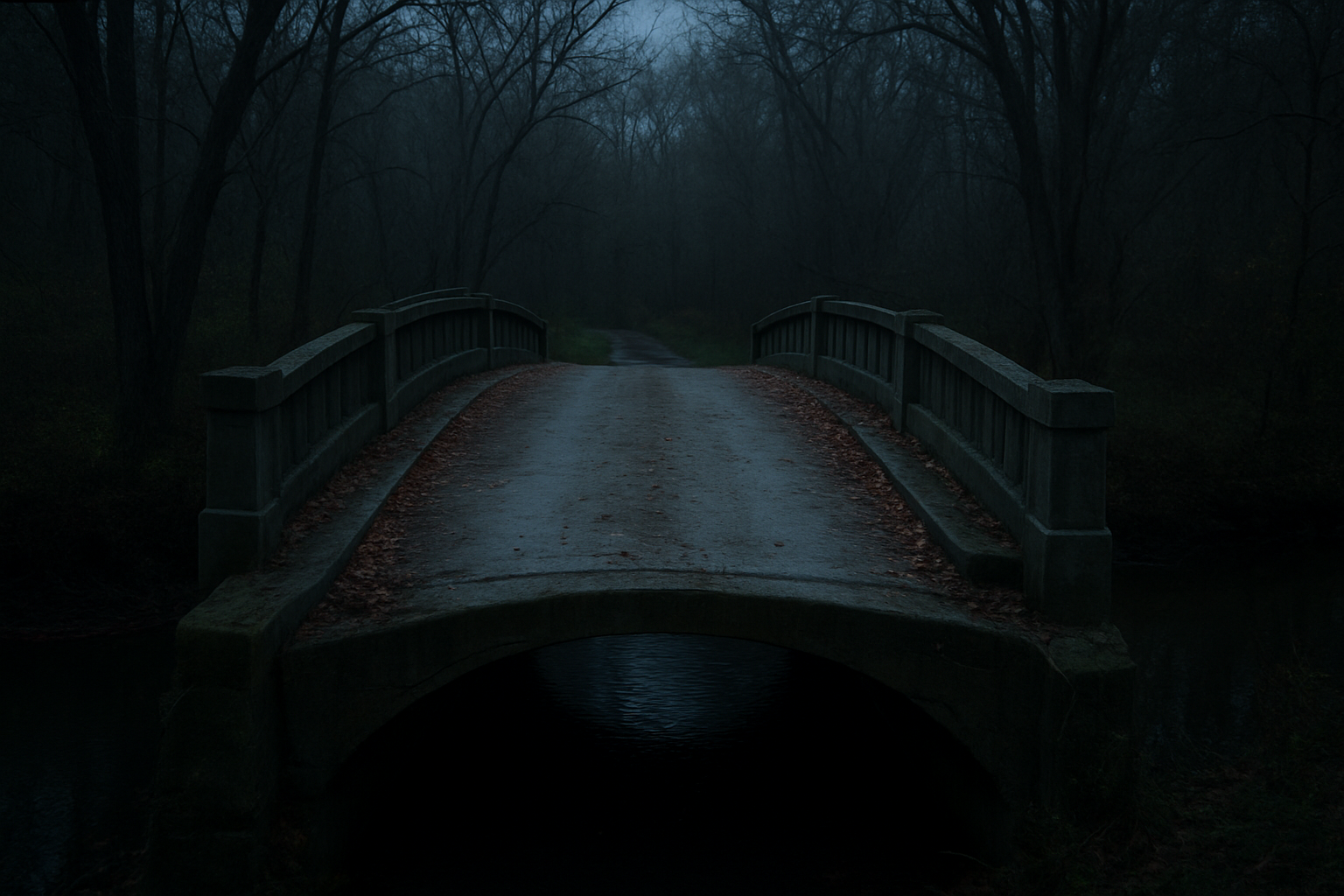
Across the United States, scattered through rural backroads and quiet wooded areas, are places known as Crybaby Bridges. These bridges—often old, narrow, or abandoned—are tied to eerie folklore involving the cries of unseen infants or tragic stories of lost children. While dozens of locations are associated with the name, the stories share a haunting theme: if you visit the bridge at night, you may hear a baby crying from the darkness below.
Origins of the Legend
The origins of Crybaby Bridge tales are difficult to trace because the legend is not tied to a single specific location. Instead, the narrative developed as a type of American folklore motif that appears across multiple states, including Ohio, Maryland, Texas, South Carolina, Georgia, and Mississippi.
Most versions of the myth follow similar patterns:
- A young woman, often unmarried or abandoned, throws her newborn from the bridge in desperation or shame.
- A tragic accident sends a carriage, car, or family into the water below.
- A baby drowned in the river is said to cry when its restless spirit is disturbed.
Like many ghost stories, Crybaby Bridge legends blend societal fears, local tragedies, and storytelling traditions meant to warn or thrill.
Regional Variations
Although there are dozens of Crybaby Bridges, a few have become particularly well-known:
Ohio
Ohio has several bridges associated with the legend, but the most famous is in Salem, Ohio (Mahoning County). Visitors claim to hear crying at night or see phantom handprints on their cars after parking on the bridge.
Maryland
Maryland’s Crybaby Bridge in Prince George’s County is tied to the legend of the “Goatman,” another notable local cryptid. Stories often merge, claiming strange noises, infant cries, and sightings of a sinister creature around the bridge.
Texas
Texas has multiple locations known as Crybaby Bridges, often located on rural roads with a history of floods or accidents. Many stories here intertwine with tales of haunted highways and ghost lights.
Common Themes in Crybaby Bridge Folklore
Across the many versions of the legend, several recurring themes appear:
- Maternal tragedy or guilt – Stories of desperate mothers reflect historical concerns about social stigma and the value of family.
- Accidents and misfortune – Many bridges are old or secluded, making them believable sites for tragic mishaps.
- Rites of passage – Local teens often turn the legend into a dare: park on the bridge, turn off the lights, honk three times, or listen for the crying.
- The haunted landscape – The bridge becomes more than a structure; it becomes a symbolic boundary between safety and danger, life and death.
Psychology Behind the Phenomenon
Several natural explanations exist for the experiences people report:
- Water and wind acoustics can mimic crying or whispering.
- Animals, such as foxes or owls, produce sounds that resemble human cries.
- Expectation and fear can heighten perception, making ambiguous noises seem supernatural.
- Local storytelling primes visitors to interpret natural sounds as ghostly.
The power of Crybaby Bridge lies not in physical evidence but in the mind’s ability to shape experience.
Cultural Impact
Crybaby Bridge legends have become staples of:
- Paranormal documentaries
- Online ghost-hunting forums
- Urban exploration videos
- Local tourism and folklore events
The story continues to evolve in the digital age, with new versions appearing on social media and creepypasta-style platforms, keeping the myth alive for new generations.
Conclusion
Crybaby Bridges are not just physical locations—they are cultural artifacts shaped by fear, imagination, and the desire to explain the unexplained. Whether viewed as tragic memorials, haunted hotspots, or simply places of eerie beauty, they remain one of America’s most enduring pieces of ghost lore.